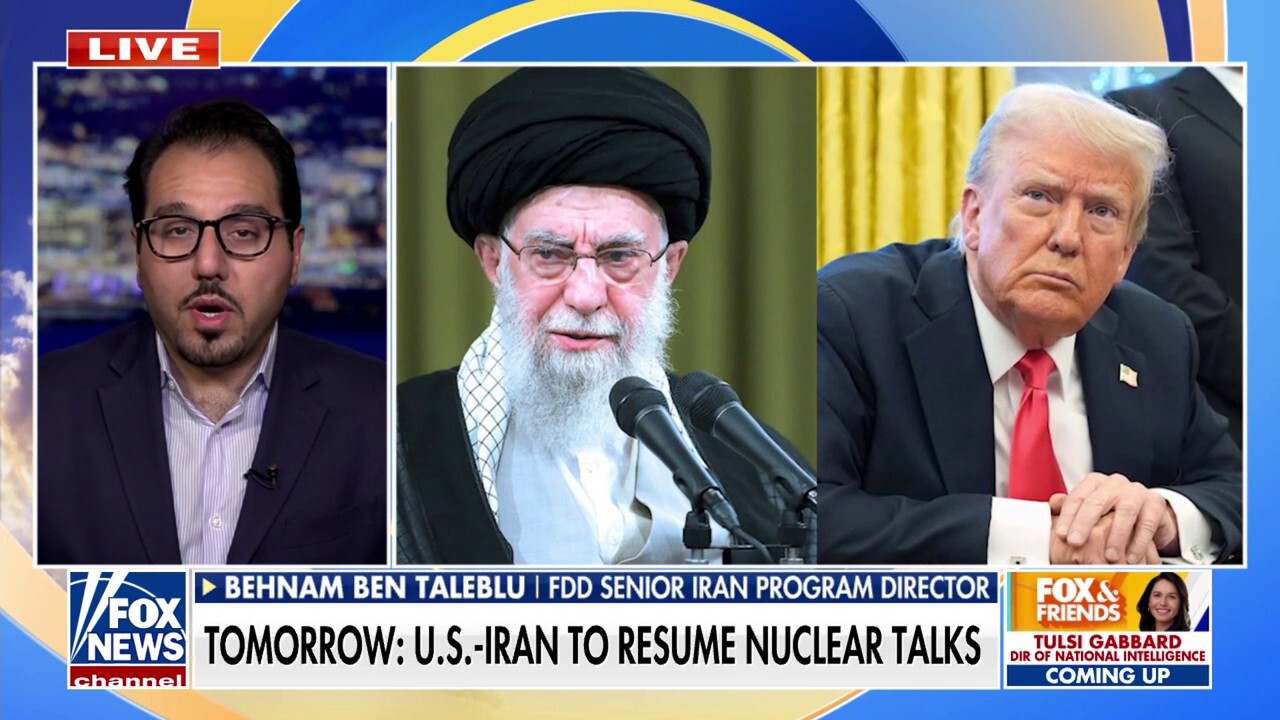
Iran is moving fast—and quietly—across the diplomatic spectrum, engaging European capitals, courting Asian allies, and reactivating long-dormant channels in Africa and Latin America. All the while, Donald Trump continues to assert that the U.S. “has the cards” in its standoff with Tehran. This clash of strategies—Tehran’s multilateral outreach versus Washington’s unilateral pressure—defines one of the most volatile chapters in modern Middle Eastern diplomacy.
The irony is sharp: while Trump touts maximum pressure as a winning formula, Iran is treating diplomatic isolation as a solvable problem—not a permanent condition.
The Diplomatic Onslaught: Where Iran Is Showing Up
Iran’s recent diplomatic activity isn’t random. It’s a coordinated effort to loosen the grip of U.S. sanctions, rebuild legitimacy, and diversify its strategic partnerships.
Europe: Tehran has intensified talks with France, Germany, and the UK—despite the collapse of the JCPOA (Joint Comprehensive Plan of Action). While European nations remain U.S.-aligned, Iran continues pushing for trade through INSTEX, the special-purpose vehicle designed to bypass U.S. financial restrictions. Limited success, but the channel remains open.
Asia: China and India are key targets. Iran signed a 25-year cooperation agreement with Beijing in 2021, spanning energy, infrastructure, and military collaboration. Though implementation has been slow, the framework gives Iran long-term leverage. With India, talks focus on discounted crude oil deals in rupees—a workaround to dollar-based sanctions.
Russia: Despite tensions over drone use in Ukraine, Iran maintains strategic dialogue with Moscow. Arms deals, intelligence sharing, and joint military drills continue, especially in the Caspian and Persian Gulf regions.
Global South: Less visible but telling—Tehran has dispatched envoys to Venezuela, Sudan, and several Central Asian states. These are not high-stakes negotiations but symbolic moves to build a coalition of nations resisting U.S. hegemony.
“Iran isn’t trying to win friends. It’s building options,” says Leila Hajabi, a Tehran-based foreign policy analyst. “Every conversation is a potential exit route from isolation.”
Trump’s “We Have the Cards” Doctrine—And Its Flaws
Donald Trump still champions his administration’s 2018 withdrawal from the Iran nuclear deal as a masterstroke. His narrative remains consistent: crippling sanctions forced Iran to the brink, and only U.S. pressure can bring Tehran to negotiate.
But that logic has frayed.
Sanctions have hurt Iran’s economy—GDP contracted by nearly 5% in 2019 post-withdrawal—but they haven’t collapsed the regime or forced nuclear concessions. Instead, Iran responded by:
- Enriching uranium to near-weapons-grade levels (60% purity)
- Restricting IAEA inspections
- Expanding regional proxy activities in Yemen, Syria, and Iraq
Trump’s claim that “we have the cards” assumes the U.S. controls all levers of influence. Reality shows otherwise.
| U.S. Leverage | Iranian Counter-Play |
|---|---|
| Financial sanctions | Barter trade, crypto transactions, shadow fleets |
| Diplomatic isolation | Regional alliances, SCO membership push |
| Military threat | Asymmetric warfare, drone and missile proliferation |
| Nuclear oversight | Limited cooperation, staged escalations |
The U.S. holds powerful tools, but Iran has adapted—turning economic siege into a justification for self-reliance and resistance.
Why Timing Matters: Elections, Transitions, and Windows of Opportunity
Iran’s diplomatic flurry isn’t random timing. It aligns with key political transitions:
- U.S. election cycles: With Trump positioning for a 2024 return, Iran is pre-emptively shaping the negotiating landscape. If Trump wins, Tehran wants alternatives already in place.
- Regional normalization trends: As Saudi Arabia and UAE pivot toward détente with rivals, Iran fears being left behind. Its outreach to Oman and Qatar aims to prevent permanent marginalization.
- Leadership shifts in Europe: New governments in Germany and France offer reset opportunities. Iran is testing whether pro-engagement voices can re-emerge.
One telling example: in early 2023, Iran’s Foreign Minister visited Nairobi—the first such trip in decades. Ostensibly about trade, the real message was strategic: We’re not confined to the Middle East.
The Misstep: Overestimating Sanctions, Underestimating Adaptation
A recurring flaw in U.S. Iran policy—under both Republican and Democratic administrations—is the belief that economic pain inevitably leads to political change.
It hasn’t.
Iran has developed a sanctions-resistant economy through:
- Shadow shipping networks: Oil exports continue via ship-to-ship transfers in the Indian Ocean, often rerouted through third countries like Malaysia and China.
- Cryptocurrency workarounds: While limited, Iran uses Bitcoin and stablecoins to move funds outside SWIFT.
- Domestic innovation: “Resistance economy” policies have boosted local manufacturing, particularly in pharmaceuticals and defense tech.
Meanwhile, U.S. allies grow weary of enforcing Washington’s agenda. France and Germany still publicly support sanctions but privately seek ways to resume energy and tech trade with Iran.
“Sanctions are like antibiotics—effective at first, then resistance builds,” notes James Pettis, a former State Department Iran desk officer. “We’re now in the resistance phase.”
A Game of Positioning, Not Confrontation
Neither side wants war. But both are playing for position.

Trump’s rhetoric—“we have the cards”—frames the U.S. as the dominant player. But Iran’s actions suggest a different calculus: if you can’t beat the deck, change the table.
Tehran’s strategy hinges on three pillars:
- Multipolarity: Aligning with powers that challenge U.S. dominance—China, Russia, and non-aligned states.
- Asymmetric deterrence: Using proxies, cyber tools, and missile capabilities to raise the cost of direct conflict.
- Diplomatic persistence: Keeping channels open even when results are slow, betting that U.S. attention spans are shorter than its sanctions.
This isn’t desperation. It’s long-game statecraft.
Real-World Implications: Oil Markets, Regional Stability, and U.S. Credibility
The stakes extend far beyond rhetoric.
- Oil markets: Iran exports over 1 million barrels per day despite sanctions. Any escalation could disrupt supply, especially through the Strait of Hormuz.
- Middle East stability: Iran-backed groups in Lebanon (Hezbollah), Yemen (Houthis), and Iraq remain active. De-escalation requires engagement, not isolation.
- U.S. credibility: Repeated claims of control—followed by Iranian counter-moves—erode confidence in Washington’s strategic foresight.
Consider the Houthi attacks on Red Sea shipping in 2023–2024. Iran denies direct command but supplies the weapons and targeting intel. The U.S. responds with strikes—but without diplomacy, the cycle repeats.
What Lies Ahead: Options on the Table The path forward isn’t binary. It’s layered.
Scenario 1: Trump Returns, Doubles Down If Trump wins in 2024 and refuses to rejoin the JCPOA, Iran will accelerate military-nuclear advances and deepen ties with China. Diplomacy becomes theater, not substance.
Scenario 2: U.S.-Iran Backchannel Resumes Even under Trump, quiet negotiations can emerge—often through Oman or Qatar. A prisoner swap or limited nuclear freeze could serve both sides politically.
Scenario 3: Regional Security Framework Emerges Long-term stability may require a Gulf-wide agreement involving Iran, Saudi Arabia, and the U.S.—similar to the 1991 Baghdad Conference, but updated for today’s realities.
Iran’s current diplomacy isn’t about immediate breakthroughs. It’s about ensuring that when the U.S. is ready to talk, Tehran isn’t starting from zero.
Closing: Strategy Over Slogans
Iran’s flurry of diplomacy reveals a fundamental truth: sanctions without strategy create resilience, not surrender. Trump’s insistence that “we have the cards” ignores how Iran has reshuffled the deck—quietly, systematically, and with clear intent.
For policymakers and observers alike, the lesson is clear: real influence isn’t just about pressure. It’s about presence, patience, and the ability to operate when others assume you’re cornered.
The U.S. may hold strong cards, but Iran is playing the hand it has—and dealing from a deeper stack than many realize.
Frequently Asked Questions
Why is Iran increasing diplomacy now? Iran is preparing for potential U.S. leadership changes and reducing reliance on any single power amid ongoing sanctions and regional competition.
Did Trump’s maximum pressure policy work? It damaged Iran’s economy but failed to halt nuclear advances or force regime change, leading Tehran to adapt rather than capitulate.
Can Iran bypass U.S. sanctions effectively? Partially—through shadow fleets, barter deals, and partnerships with China and Russia—but not without significant economic cost.
Is Iran closer to a nuclear weapon now? It has enriched uranium to 60%, just short of weapons-grade (90%), and reduced IAEA access, shortening its potential breakout time.
How is China involved in Iran’s diplomacy? Beijing provides economic support, investment, and political cover in international forums, viewing Iran as a strategic partner in opposing U.S. influence.
What role does Europe play in U.S.-Iran tensions? Europe supports non-proliferation but resists full alignment with U.S. sanctions, seeking ways to maintain trade and dialogue with Iran.
Could diplomacy still prevent a crisis? Yes—backchannel talks, prisoner swaps, or regional security talks could de-escalate tensions, even under adversarial public stances.
FAQ
What should you look for in Iran’s Diplomatic Push Amid Trump’s Hardline Stance? Focus on relevance, practical value, and how well the solution matches real user intent.
Is Iran’s Diplomatic Push Amid Trump’s Hardline Stance suitable for beginners? That depends on the workflow, but a clear step-by-step approach usually makes it easier to start.
How do you compare options around Iran’s Diplomatic Push Amid Trump’s Hardline Stance? Compare features, trust signals, limitations, pricing, and ease of implementation.
What mistakes should you avoid? Avoid generic choices, weak validation, and decisions based only on marketing claims.
What is the next best step? Shortlist the most relevant options, validate them quickly, and refine from real-world results.